
 7 July, 2026
 Hi-Lite Electric Inc.
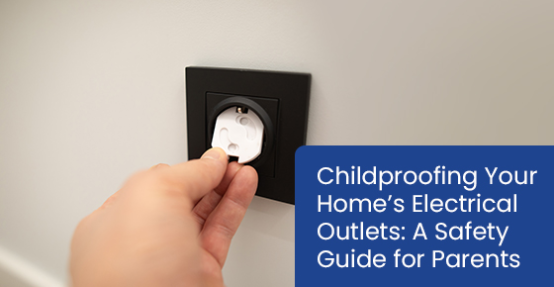
Young children explore with their hands, which can make everyday electrical outlets a hidden safety concern. An exposed outlet at crawling height may not look dangerous to an adult, but to a toddler, those small openings can seem like a place to poke a toy, key, paperclip, or finger.
Electrical safety for kids starts with prevention. Childproof outlets can reduce the chance of shock or injury by making it harder for children to insert foreign objects into receptacle slots. For parents, that extra protection can bring real peace of mind, especially in rooms where children play, nap, or spend time unsupervised for even a few seconds.
Childproof outlets are one part of a safer home environment. They do not replace supervision, but they help reduce risk in the places children can reach long before they understand danger.
A proactive approach is always better than waiting for a close call. Parents often start with outlet covers, then later realize some outlets are loose, outdated, or used so often that a more permanent solution makes sense. Understanding the options can help you decide what belongs in a nursery, playroom, bedroom, living room, or any other child-accessible area.
A childproof outlet is designed to block access to the energized contact points inside the receptacle. The most common built-in option is a tamper-resistant outlet, which looks similar to a standard outlet but includes internal shutters behind the slots.
Those shutters stay closed unless equal pressure is applied to both slots at the same time, such as when a proper plug is inserted. If a child pushes a small object into only one slot, the shutter mechanism helps prevent contact with the internal electrical components. The Electrical Safety Foundation International describes tamper-resistant receptacles as using spring-loaded cover plates that close off receptacle openings when not in use.
That built-in protection makes them different from basic plastic outlet caps. Plastic caps can work when they fit securely, but they can also be removed, misplaced, or left off after an outlet is used. The U.S. Consumer Product Safety Commission advises that outlet protectors should not be easily removable by children and recommends tamper-resistant receptacles when replacing outlets.
Parents have several ways to make outlets safer, and the best choice depends on the room, the outlet condition, and how often the receptacle is used.
Tamper-resistant outlets are a permanent upgrade. They are well suited for outlets used regularly because there is no cap to remove or remember to replace. Outlet covers are inexpensive and useful for unused outlets, especially as a quick first step. Sliding plate covers replace the standard wall plate and automatically slide shut when a plug is removed. Box covers work well for outlets where something stays plugged in, such as a baby monitor, lamp, or sound machine, because they cover both the outlet and the plug.
Temporary covers can be helpful when you need an immediate fix or are childproofing a short-term living space. Permanent upgrades are usually better for high-traffic areas, older outlets, and rooms where children spend a lot of time.
Some outlets need more than a plastic cap. Loose receptacles, cracked plates, plugs that fall out easily, scorch marks, buzzing sounds, warmth around the outlet, or outlets that no longer hold a plug securely should be treated seriously.
Older homes may also have receptacles that were installed before tamper-resistant designs became common in newer residential construction. In a home with young children, easy-to-reach outlets deserve extra attention, especially near beds, play areas, couches, desks, and low furniture.
A quick walk-through can reveal which outlets are most exposed. Look at the rooms from a child’s height. Outlets hidden from adult view may be perfectly visible to a crawling baby or curious toddler.
Start by identifying every accessible outlet in the rooms your child uses most. Living rooms, bedrooms, nurseries, hallways, and play areas should be checked first. Pay close attention to outlets behind lightweight furniture that a child may move or reach around.
For unused outlets, install snug-fitting outlet caps or sliding plate covers. For outlets with cords plugged in, consider a box cover so the plug cannot be easily pulled out. Keep cords tucked away, avoid running them across play areas, and make sure plugs sit firmly in the receptacle.
Never attempt outlet replacement unless you are qualified and know how to work safely with your home’s electrical system. Turning off a lamp switch is not the same as shutting off power at the breaker. If an outlet is damaged, loose, warm, or unreliable, stop using it and have it checked.
DIY childproofing products can reduce everyday risk, but they do not correct underlying electrical problems. Outlet replacement, wiring concerns, damaged receptacles, and upgrades to tamper-resistant outlets should be handled by a licensed electrician.
Professional installation helps ensure the outlet is properly connected, grounded where required, and suitable for the circuit. It also gives parents a chance to ask whether other electrical safety concerns are present, such as worn receptacles, overloaded outlets, missing GFCI protection in appropriate areas, or older devices that no longer meet today’s safety expectations.
For families planning a broader safety update, an electrical inspection can help identify issues before they become emergencies.
Outlet safety works best when it is layered with other habits around the home. Keep cords out of reach whenever possible, and avoid leaving chargers plugged in where children can play with the loose end. Replace damaged cords, avoid overloading power bars, and do not run cords under rugs or furniture where heat or wear can go unnoticed.
Children also learn by repetition. Use simple, consistent language: outlets are for plugs, not fingers or toys. Even young children can begin to understand that electrical items are not playthings, although supervision is still necessary.
Parents should also check safety devices over time. Outlet caps can loosen, plates can crack, and furniture layouts can change. A childproofed room in January may not be as secure after rearranging furniture in June. Safety needs to grow with the child.
Childproof outlets can help reduce electrical risks in homes with young children, especially when they are paired with supervision, cord management, and regular checks of accessible receptacles. Covers may be enough for some unused outlets, while tamper-resistant upgrades offer a more permanent layer of protection for high-use areas. If you are unsure whether your outlets are safe, we can help assess your home through a professional electrical inspection and identify where upgrades may be needed.
Reach out to Hi-Lite Electric at (416) 223-9655, email us at info@hi-liteelectricinc.ca, or click here to get in touch online.
Tamper-resistant receptacles are commonly required in many modern residential settings, but exact rules can vary by region, code version, and project type. The National Electrical Code in the U.S., for example, includes requirements for tamper-resistant receptacles in dwelling units and several child-accessible settings. For Canadian homes, parents should check local electrical code requirements or speak with a licensed electrician before replacing outlets.
“Childproof outlets” is a general phrase that can refer to several safety solutions, including caps, covers, sliding plates, and tamper-resistant receptacles. Tamper-resistant outlets are a specific type of receptacle with built-in shutters that help block foreign objects from entering the slots.
Basic outlet caps and some cover plates are designed for homeowner installation. Replacing the receptacle itself is different because it involves electrical wiring. If you are not trained to do that work safely, a licensed electrician is the safer choice.
Outlet covers can help, especially on unused outlets, but they depend on proper fit and consistent use. Built-in safety features, such as tamper-resistant receptacles, are more permanent and do not rely on a removable plastic cap being put back after every use.
Parents can visually check accessible outlets every few months and any time furniture is moved. Look for looseness, cracks, heat, buzzing, discoloration, or plugs that do not stay secure. A professional inspection is recommended when outlets seem damaged, the home is older, or you are planning safety upgrades for a nursery or play area.
© 2025 Licensed Electrical Installation & Service – Hi-Liteelectricinc.ca. All Rights Reserved.
Leave A Comment