
 9 May, 2026
 User-Hi-Lite Electric
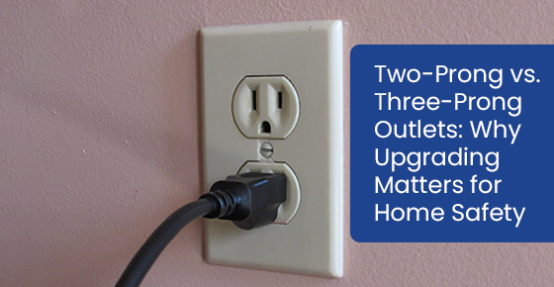
Two-prong outlets are a common sight in older homes. They have two vertical slots and no round grounding slot, while three-prong outlets add a third opening that connects compatible plugs to the home’s grounding system.
That small difference can affect how safely a home handles certain electrical faults. Outdated electrical outlets may still power lamps, chargers, and small appliances, but they may not provide the protection modern electronics and appliances are designed to use.
Upgrading is not just about making today’s plugs fit. A safer outlet setup can reduce shock risks, support modern devices, and help uncover wiring concerns that may be hidden behind the wall.
Electricity always looks for a path. In a properly grounded system, fault current has a safer route back through the electrical system if something goes wrong. Without that path, a damaged appliance, loose connection, or wiring problem may send current through metal parts, cords, or, in the worst case, a person touching the device.
A simple way to picture it:
| Outlet Type | What You See | Safety Role |
|---|---|---|
| Two-prong outlet | Two vertical slots | Supplies power but does not provide an equipment grounding path |
| Three-prong outlet | Two vertical slots plus a round slot | Supplies power and connects compatible devices to ground when the circuit is properly wired |
The third prong does not make electricity harmless. It adds another layer of protection when the wiring behind the outlet is properly grounded. Fault current that might otherwise energize a metal appliance casing or overheat a damaged connection can then follow a controlled path and help a breaker or protective device respond as intended.
A grounded outlet is connected to a grounding conductor in the electrical system. The two flat slots carry power to and from the device. The round third opening acts like a safety escape route for electricity.
For that third opening to mean anything, the outlet must be connected to proper grounding behind the wall. Replacing the cover or installing a three-slot receptacle on ungrounded wiring does not create real grounding. A licensed electrician can test the outlet and confirm what is actually happening inside the box.
Two-prong outlets are not automatically dangerous every moment they are in use, but they do not provide the level of protection expected in modern homes. They can also be a sign that the wiring behind the wall is older and should be inspected.
| Two-Prong Limitation | Three-Prong Safety Benefit |
|---|---|
| No true equipment grounding path | Provides a grounding connection when the circuit is properly wired |
| Higher shock risk if a device or appliance develops a fault | Helps fault current travel through a safer path instead of through a person or metal casing |
| Modern three-prong plugs do not fit without an adapter | Allows safer use of many modern electronics and appliances without modifying plugs |
| Some surge protectors and sensitive electronics may not be properly supported without grounding | Better supports devices such as televisions, computers, kitchen appliances, and home office equipment |
| Older outlet style may point to outdated wiring behind the wall | Replacement creates an opportunity to check for loose connections, overheating, or worn components |
Adapters can seem like an easy fix, especially when a modern plug does not fit into an older outlet. In many cases, though, the adapter does not provide proper grounding unless the electrical box itself is grounded and the adapter is installed correctly. That is not something homeowners should guess at.
Older homes, especially those with visible two-prong outlets or no confirmed grounding, should be inspected before homeowners rely on modern electronics or higher-demand appliances. Consider professional outlet replacement if you notice:
Any sign of heat, sparking, burning odours, or repeated breaker trips should be treated seriously. Stop using the outlet and arrange an electrical inspection.
A grounded three-prong outlet is often the preferred solution when proper grounding can be installed or already exists. In some older homes, however, adding a grounding conductor may require more extensive work. The right option depends on the circuit, the condition of the wiring, and current safety requirements.
| Replacement Option | When It May Apply | What It Does | What It Does Not Do |
|---|---|---|---|
| Grounded three-prong outlet | The circuit already has proper grounding or grounding can be added | Supports modern three-prong devices and provides an equipment grounding path | Does not fix damaged or overloaded wiring by itself |
| GFCI outlet on an ungrounded circuit | It is accepted as an option for a specific ungrounded circuit and is installed and labelled correctly | Can reduce certain shock risks by shutting off power when a ground fault is detected | Does not create a true equipment ground |
| Wiring updates | Existing wiring is damaged, outdated, or unable to support a safe upgrade | Can provide a safer foundation for outlet replacement | May involve more work than a simple receptacle change |
A GFCI, or ground fault circuit interrupter, monitors electrical current and shuts off power quickly when it detects an imbalance that may indicate current is leaking along an unsafe path. Cost depends on outlet count, grounding availability, wiring condition, accessibility, and required code-related updates.
Outlet replacement may look simple from the outside, but the wiring inside the box determines whether the upgrade is safe and compliant. A three-prong receptacle installed on ungrounded wiring can create a false sense of security, especially if someone assumes their device is protected when it is not.
| DIY Outlet Replacement | Professional Outlet Replacement |
|---|---|
| May miss ungrounded or damaged wiring | Includes testing and inspection of the outlet box |
| Can result in improper grounding | Confirms whether a grounding path exists |
| May not meet electrical code requirements | Supports safe, code-aware installation |
| Can create shock, fire, or equipment risks | Identifies safer options, including GFCI protection when appropriate |
| Leaves hidden issues unresolved | Helps uncover wiring concerns before they escalate |
Testing, grounding verification, and code-aware installation are the safest way to avoid turning a simple outlet upgrade into a hidden hazard.
Outdated outlets are easy to overlook until they start limiting how safely your home can support modern devices. If you are still using two-prong receptacles or you are unsure whether your outlets are properly grounded, a professional inspection can help you understand what is behind the wall before small concerns become bigger risks.
At Hi-Lite Electric Inc, we provide licensed residential and commercial electrical service with upfront pricing, stocked service vehicles, and technicians who stay current with code compliance and new technologies. Since 1982, we have focused on practical electrical solutions, clear communication, and work done with safety in mind.
For help assessing your home’selectrical outlets, reach out to Hi-Lite Electric at (416) 223-9655, email us at info@hi-liteelectricinc.ca, or click here to get in touch online. Get clear, practical guidance on the safest way to update your home’s electrical system.
Two-prong outlets are not automatically unsafe because of their shape. The concern is that they lack the grounding connection modern devices often rely on for safer fault protection.
Adapters are not a reliable safety solution on their own. They only provide grounding when the electrical box is properly grounded and the adapter is installed correctly, which should be confirmed by a professional.
A grounded outlet provides an equipment fault path for compatible devices. A GFCI outlet helps protect people from certain shock risks by shutting off power when it detects a ground fault, but it does not create a true equipment ground.
Visible two-prong outlets, loose plugs, heat, scorch marks, buzzing, frequent breaker trips, or mild shocks are all reasons to schedule an inspection. Older homes should also be checked before renovations or heavy electronics use.
The cost depends on the wiring condition, outlet count, grounding availability, accessibility, and whether code-related updates are needed. A simple receptacle replacement is usually more straightforward than adding grounding or correcting wiring problems.
© 2025 Licensed Electrical Installation & Service – Hi-Liteelectricinc.ca. All Rights Reserved.
Leave A Comment