
 8 September, 2026
 Hi-Lite Electric Inc.
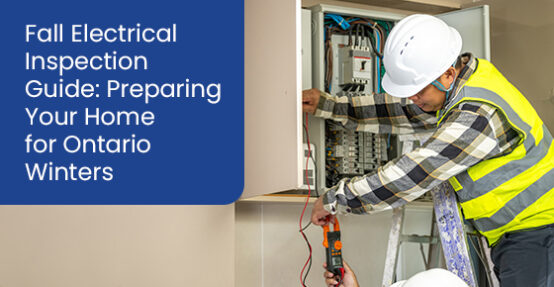
Fall is a practical time to review your home’s electrical system before colder weather changes how you use electricity. Heating equipment, lighting, appliances, and other devices may see heavier use through winter, while storms and outages can put additional stress on household systems.
A professional electrical inspection can help identify concerns that aren’t obvious during day-to-day use. Homeowners can watch for visible warning signs, but panels, wiring, outlets, and other potentially hazardous components should be assessed by a qualified electrician rather than opened or repaired as a DIY project.
An electrical inspection in Ontario before winter should focus on the actual condition of the system and any problems that have already started to appear. Your role is to notice changes and report them. A licensed electrician can then investigate components that aren’t safe to assess without the proper training and equipment.
Your electrical panel distributes power through the circuits in your home, making it an important part of a professional home electrical inspection.
Repeated breaker trips deserve attention. Resetting a breaker may restore power temporarily, but continually resetting one without understanding why it trips doesn’t address the underlying issue. Note which appliances or areas of the home are involved and share that information with your electrician.
Don’t remove the electrical panel cover or attempt internal repairs yourself.
Take a visual look at the outlets and switches you use regularly. Loose components, buzzing, unusual warmth, or discolouration are signs worth mentioning during an inspection.
Loose, excessively hot, or buzzing outlets and switches are potential reasons to have the electrical system checked. If an outlet or switch appears unsafe, stop using it and arrange professional assessment rather than taking it apart.
A light that flickers once doesn’t automatically point to a serious electrical problem, but repeated or persistent flickering shouldn’t simply become part of the background.
Pay attention to the pattern. Does it happen when a particular appliance starts? Is one fixture affected, or do lights change in several areas of the home?
Those details can help an electrician narrow the investigation to a fixture, circuit, connection, or another potential source without guessing at the cause.
An unexplained burning smell near electrical components deserves prompt attention. Discontinue use of affected outlets or switches when an odour may be electrical in origin and arrange an inspection.
Unusual heat around electrical equipment should also be taken seriously. Don’t open outlets, switches, wiring, or panels to look for the source yourself. Electrical troubleshooting can expose you to live components and should be handled professionally.
Fall is also a good opportunity to include smoke and carbon monoxide alarms in your broader household safety routine.
Check that alarms are functioning and take note of damaged, malfunctioning, or otherwise questionable devices. We include smoke and carbon monoxide alarm services within our electrical safety work.
Replacement requirements can vary by the device and manufacturer, so avoid assuming every alarm follows the same lifespan.
Major household appliances can place substantial demand on electrical circuits. If you regularly notice breaker trips, flickering lights, surges, or other unusual behaviour when a specific appliance operates, tell your electrician.
That pattern can be particularly useful during an electrical safety inspection because it connects the symptom to a particular use condition.
Your electrical habits may also change in winter as more equipment is used for longer periods. Don’t try to solve capacity concerns by replacing breakers or altering circuits yourself.
Older homes aren’t automatically electrically unsafe, but aging or damaged components still deserve proper assessment.
Mention deteriorated fixtures, longstanding electrical problems, visibly damaged components, or areas where you know the electrical work is older. The inspection process includes diagnostics to identify parts of the system that may require repair, replacement, or upgrading.
A professional assessment is more useful than assuming older equipment must automatically be replaced.
Ontario winters can bring high winds, freezing rain, and storms that contribute to power disruptions. You can’t prevent a utility outage through household electrical maintenance, but fall is an opportunity to address known problems and review how important electronics and appliances are protected.
Hi-Lite Electric offers surge-protection services for homeowners concerned about voltage spikes and electrical equipment. The right protection depends on the home and its electrical needs.
If you’re considering backup power equipment, have the electrical requirements assessed professionally rather than attempting generator wiring or other electrical modifications yourself.
Repeated breaker trips, buzzing outlets, unusual heat, burning smells, persistent flickering, and electrical surges all deserve attention. A system that continues operating despite these symptoms shouldn’t be assumed to be functioning properly.
Document when and where the problem happens. If it appears when a particular appliance runs, include that detail when arranging service.
Electrical troubleshooting can be hazardous, especially when the source involves wiring, the panel, or concealed components. Avoid experimental DIY fixes and have recurring or concerning symptoms assessed by a qualified electrician.
An inspection includes a 12-point home electrical safety check and diagnostic assessment of the electrical system.
The goal is to identify hazards and determine whether components may need repair, replacement, or upgrading based on their actual condition. That does not mean every home will receive the same recommendation.
An inspection is also a useful time to raise issues you’ve noticed during the year, even if they’re intermittent. Flickering lights, breaker trips, unusual outlet behaviour, or other recurring symptoms provide useful context for the electrician assessing the system.
An electrical inspection in Ontario that homeowners arrange in fall can help identify existing safety concerns before colder weather and changing seasonal electrical demands arrive.
If you’ve noticed warning signs or want a professional assessment of your home, reach out to Hi-Lite Electric today at 416-241-9296, email us at info@hi-liteelectricinc.ca or click here to get in touch online.
The exact inspection can depend on the property and the reason for the service. Our process includes a 12-point home electrical safety check and diagnostic assessment intended to identify potential hazards and components that may require attention.
Recurring breaker trips, buzzing or excessively hot outlets, burning smells, flickering lights, and electrical surges are some reasons to seek a professional assessment.
A single symptom can have several possible causes, so it shouldn’t be self-diagnosed. Persistent or immediately concerning electrical signs should be evaluated by a qualified electrician.
Fall can be a useful time to identify existing electrical concerns before colder weather changes household electrical use. We specifically recommend professional electrical-system inspection as part of winter preparation.
An inspection can identify current concerns, but it can’t guarantee that no electrical problem or outage will occur during winter.
You can safely observe visible warning signs, such as unusual outlet behaviour, flickering lights, or repeated breaker trips. A technical electrical inspection is different.
Homeowners shouldn’t dismantle panels, switches, outlets, or wiring to investigate suspected problems. Those components should be assessed by a qualified electrical professional.
A breaker trips when conditions on the circuit trigger its protective function. Several electrical issues can cause repeated trips, so the symptom alone doesn’t establish the cause.
Note what equipment was operating when the breaker tripped and share that information with an electrician. Continually resetting a breaker without investigating a recurring problem isn’t a long-term solution.
© 2025 Licensed Electrical Installation & Service – Hi-Liteelectricinc.ca. All Rights Reserved.
Leave A Comment